

Outstanding Advantages of PP Integrated Sewage Treatment Equipment
1. Exceptional Corrosion Resistance (Core Advantage)
-
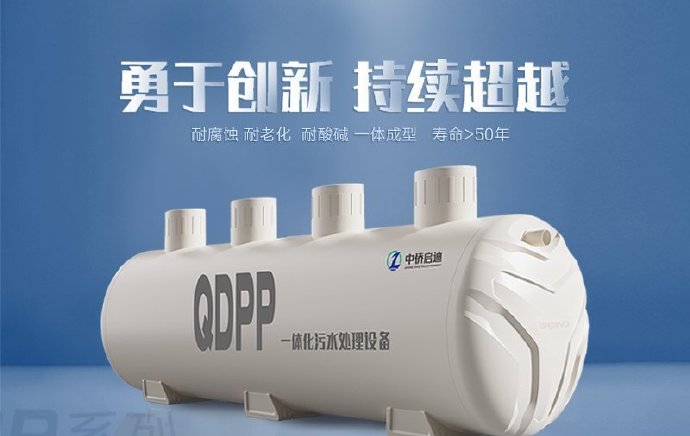
PP Equipment: Polypropylene is a high-performance plastic with strong inherent inertness to acids, alkalis, salts, and organic compounds commonly found in domestic and industrial wastewater. It is naturally corrosion-resistant, requiring no additional anti-corrosion coatings. The material is consistent throughout, eliminating the risk of corrosion-induced perforation.
-
Carbon Steel Equipment: Steel is highly susceptible to corrosion. Although typically protected with anti-corrosion coatings (e.g., coal tar epoxy + fiberglass), damage during transport/installation, coating degradation over time, or stress in weld areas can lead to pitting corrosion. Once the coating is compromised, corrosion initiates from within, is difficult to detect and repair, may cause leaks, and significantly shortens service life.
2. Longer Service Life
-
PP Equipment: Due to its excellent corrosion resistance, the design life under normal operating conditions (avoiding strong oxidizers and prolonged direct UV exposure) typically exceeds 30 years, with minimal performance degradation throughout its lifecycle.
-
Carbon Steel Equipment: Even with high-quality coatings, its service life heavily depends on coating integrity. In complex wastewater environments, the actual lifespan is usually 10-20 years, with increasing maintenance costs in later stages.
3. Lightweight, Easy Installation and Transportation
-
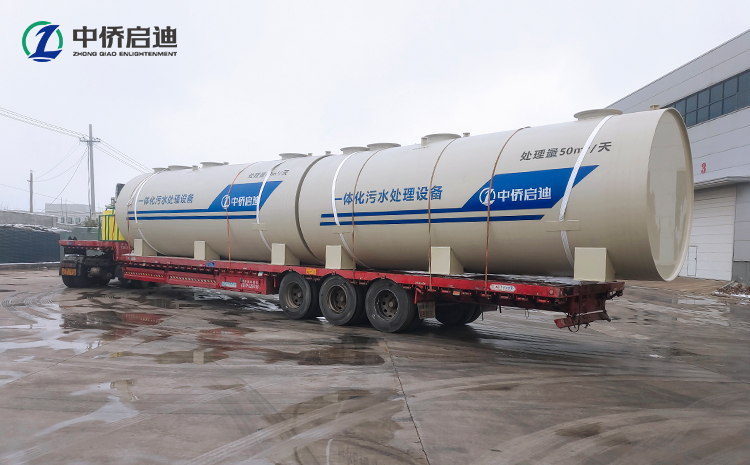
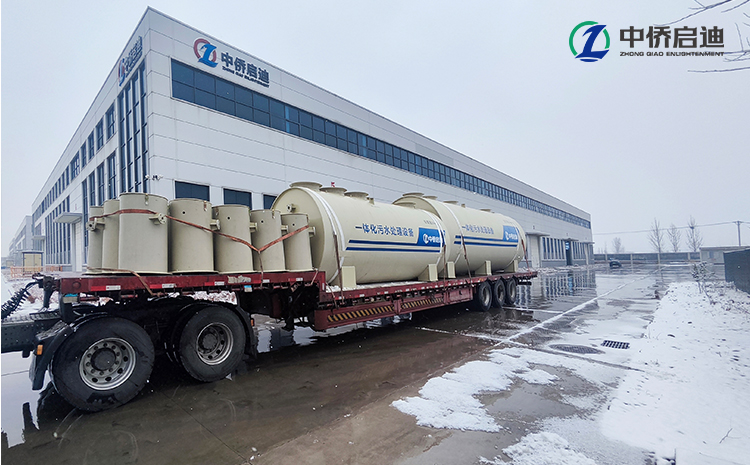
PP Equipment: The material has low density. Equipment of the same specification weighs only 1/4 to 1/3 of its carbon steel counterpart. This translates to lower transportation costs, reduced requirements for site access roads and lifting equipment, and faster, more flexible installation.
-
Carbon Steel Equipment: It is very heavy, requiring large equipment for transport and lifting. Installation difficulty and costs increase significantly in areas with limited space or poor road conditions (e.g., rural or mountainous regions).
4. Integrated Molding, No Leakage Risk from Welds
-
PP Equipment: The main tank is often manufactured using large-scale injection molding or spiral winding technology, resulting in seamless construction (or minimal longitudinal welds). This fundamentally eliminates leakage risks associated with weld quality, ensuring excellent sealing.
-
Carbon Steel Equipment: It is constructed by welding multiple steel plates, resulting in numerous weld seams. This demands high welding expertise and workmanship. Any flaw—such as incomplete penetration or pinholes—in any weld can lead to future leaks. Submerged leaks are particularly difficult to detect and repair.
5. Smooth Inner Walls, Superior Hydraulics, Resistant to Clogging
-
PP Equipment: The inner walls are extremely smooth with a very low friction coefficient. Sludge and suspended solids are less likely to adhere or scale, reducing flow resistance. This improves hydraulic efficiency, lowers clogging risks, and facilitates later cleaning.
-
Carbon Steel Equipment: Even with internal anti-corrosion coatings, smoothness cannot match PP. Over time, coatings may blister or peel. The resulting rough surface is more prone to biofilm growth and scaling, potentially hindering flow and treatment efficiency.
6. Environmentally Friendly and Hygienic, Inhibits Harmful Bacteria
-
PP Equipment: The material itself is non-toxic and odorless, complying with food-grade and potable water contact standards. It does not promote algal growth and causes no secondary water pollution.
-
Carbon Steel Equipment: Anti-corrosion coatings may release solvents (in new equipment). Furthermore, if the coating is damaged, corrosion products like iron ions from the steel can contaminate the water.
7. Low Maintenance Costs
-
PP Equipment: Virtually no anti-corrosion maintenance is needed for the tank itself. Routine maintenance primarily involves mechanical and electrical components like blowers and pumps.
-
Carbon Steel Equipment: Regular inspection of the coating condition is necessary. Any damage must be repaired promptly to prevent accelerated corrosion. Major overhauls (e.g., recoating) later are costly and may disrupt normal operation.
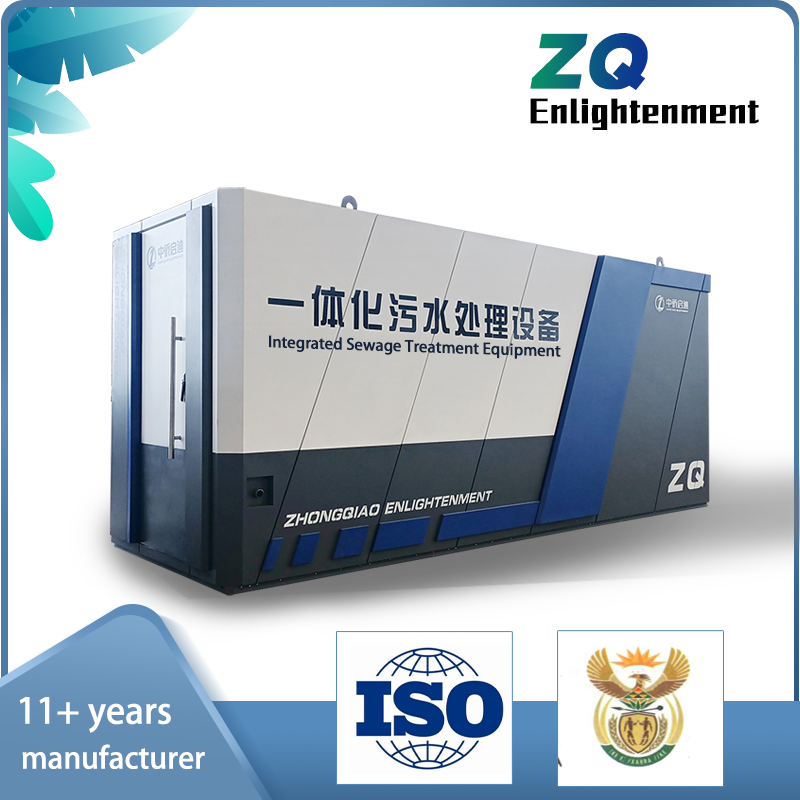
For the vast majority of small to medium-scale domestic sewage treatment projects (such as decentralized rural systems, residential complexes, schools, hotels, scenic areas, and small factories), PP integrated sewage treatment equipment has become the mainstream and preferred solution in the current market. This is due to its exceptional corrosion resistance, ultra-long lifespan, minimal maintenance, lightweight safety, and overall cost-effectiveness.
Unless a project has special requirements such as extremely large scale, extreme pressure resistance, or continuous high temperatures, PP equipment is clearly a more modern and reliable choice compared to traditional coated carbon steel equipment, offering superior lifecycle cost, operational stability, and management convenience.